How the world drinks coffee.
15 traditions. Every continent. Centuries of ritual. The same plant, prepared with infinite care, in infinite ways.
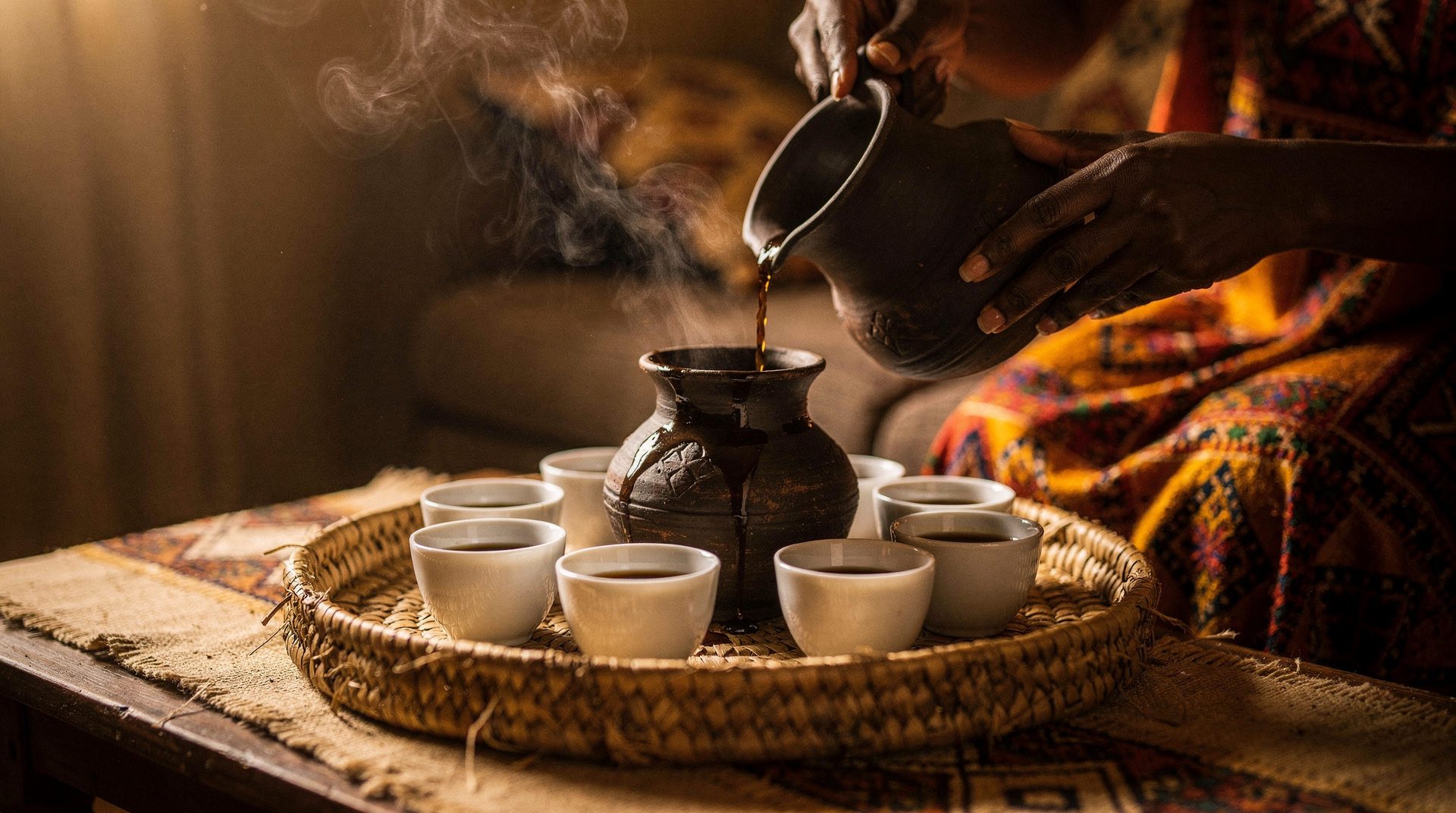
Buna
Ethiopia · 1–3 hours
The original. Green beans roasted before your eyes, ground by hand, brewed in a clay jebena. Three rounds. Abol, Tona, Baraka. Frankincense burns. Popcorn is served. Leaving before the third round is an insult. This is where coffee began.
Jebena (clay pot), sini cups, menkeshkesh (roasting pan), mortar & pestle, incense
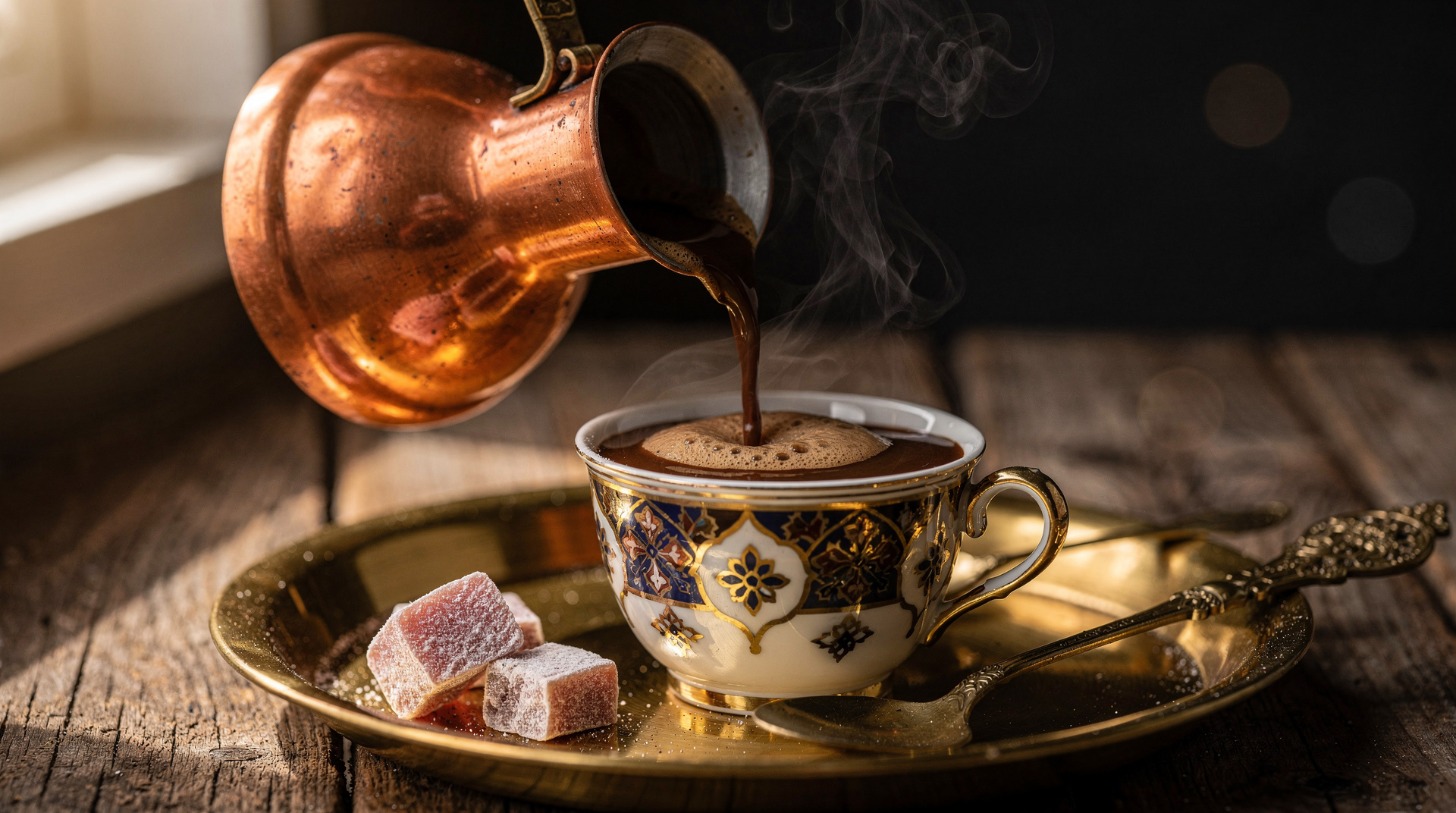
Türk Kahvesi
UNESCOTurkey · 15–20 min
Powder-fine grounds, cold water, sugar decided before brewing, never after. Heated until foam rises, poured to distribute the kaymak. Served with a glass of cold water. Then the cup is flipped for fortune reading. UNESCO Intangible Cultural Heritage since 2013.
Cezve (copper pot), fincan (porcelain cup), Turkish delight
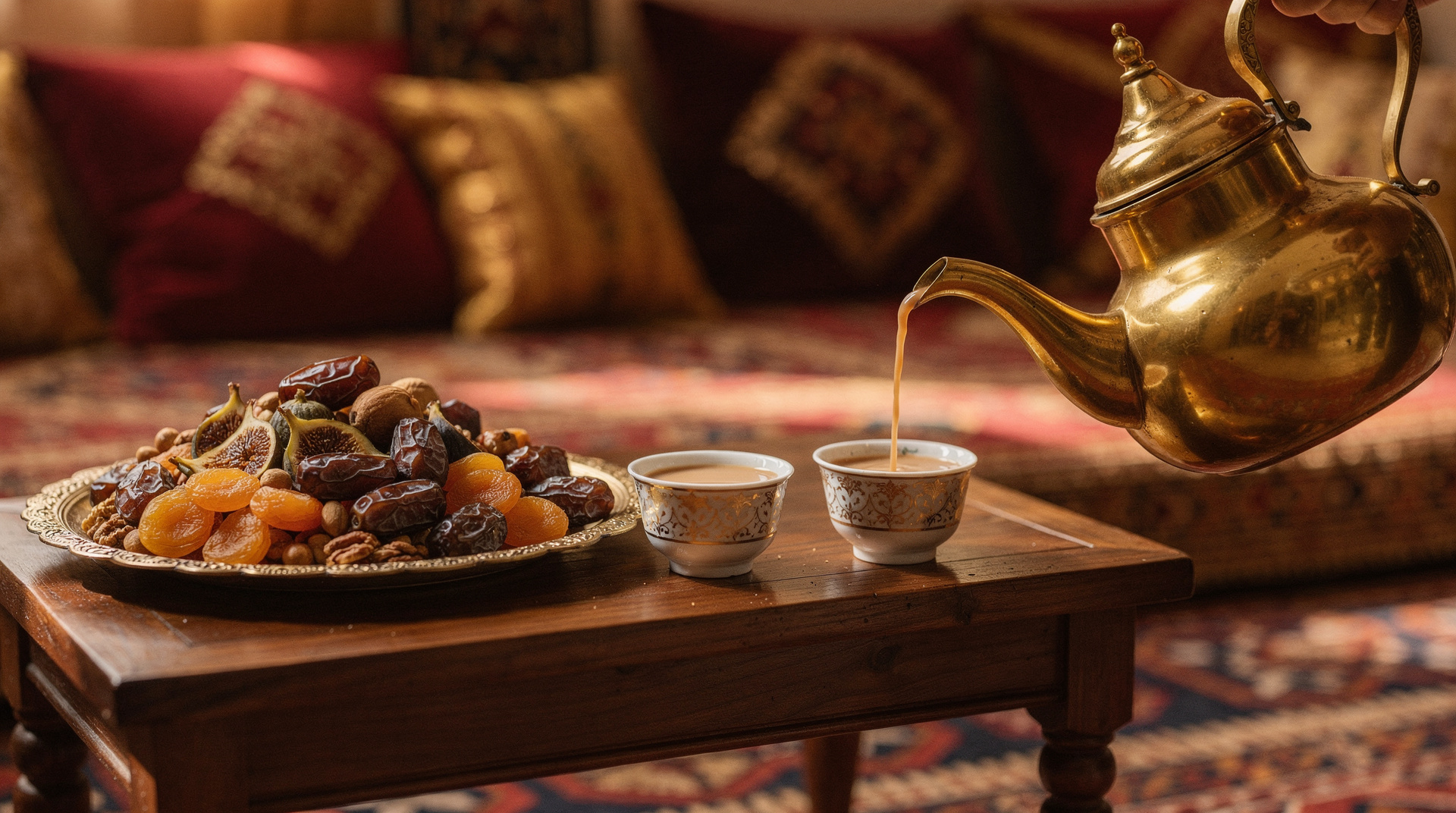
Qahwa
UNESCOSaudi Arabia & Gulf · 30–60 min
Golden, cardamom-heavy, served in tiny cups filled only one-quarter full. Filling the cup is an insult. The host pours with the left hand, serves with the right. Shake your cup to say enough. The rhythmic pounding of the mehbaj announces hospitality to the neighborhood. UNESCO since 2015.
Dallah (brass pot), finjān cups, mihmas (roasting pan), mehbaj (mortar)
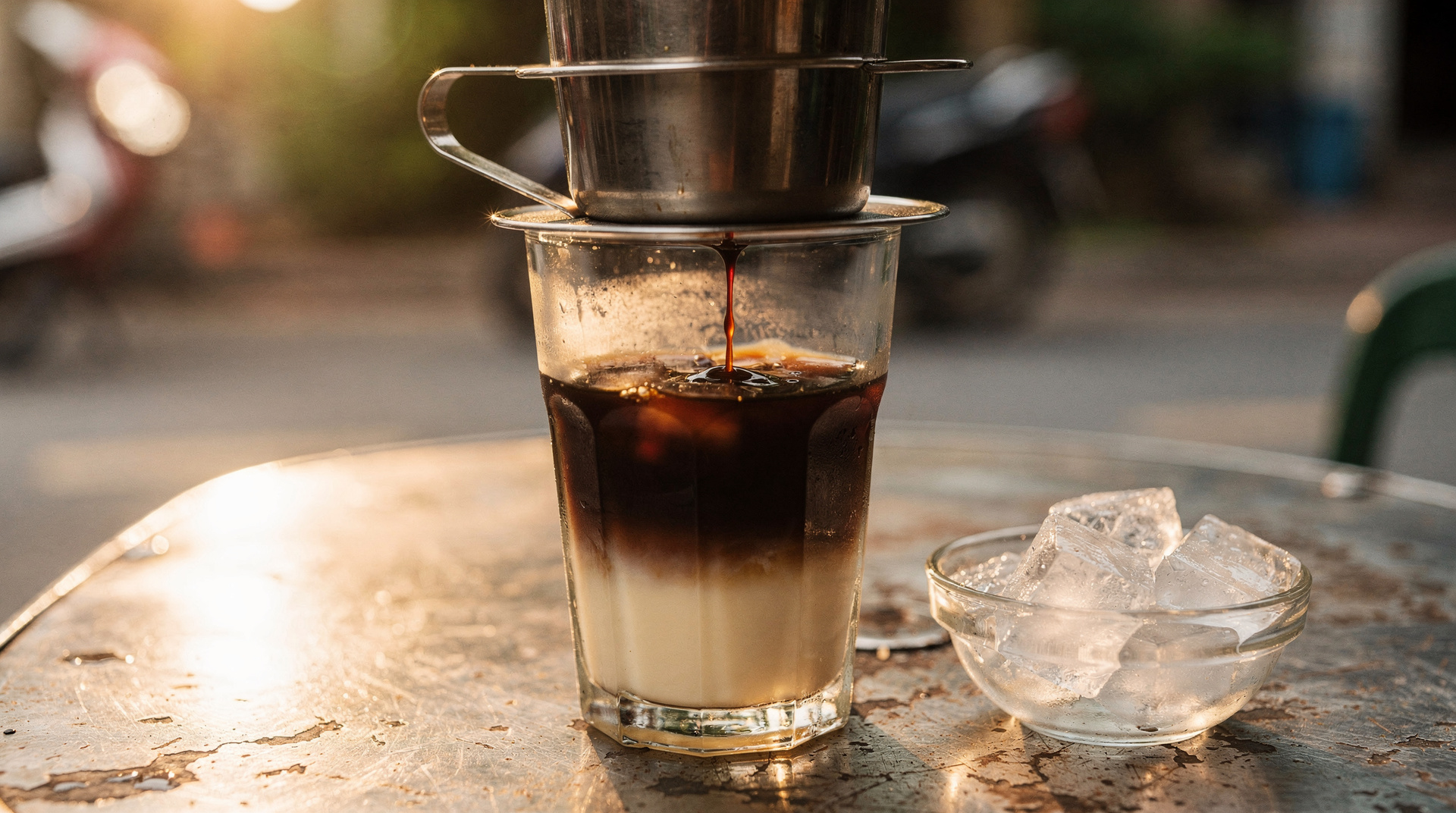
Cà Phê Sữa Đá
Vietnam · 5–10 min
A tiny steel filter sits on your glass, dripping dark robusta coffee onto a pool of sweetened condensed milk. You wait. You watch life on the sidewalk from a tiny plastic stool. When it's done, you stir, pour over ice, and the day begins. Vietnam's great gift to coffee.
Phin filter (stainless steel drip), glass tumbler, condensed milk
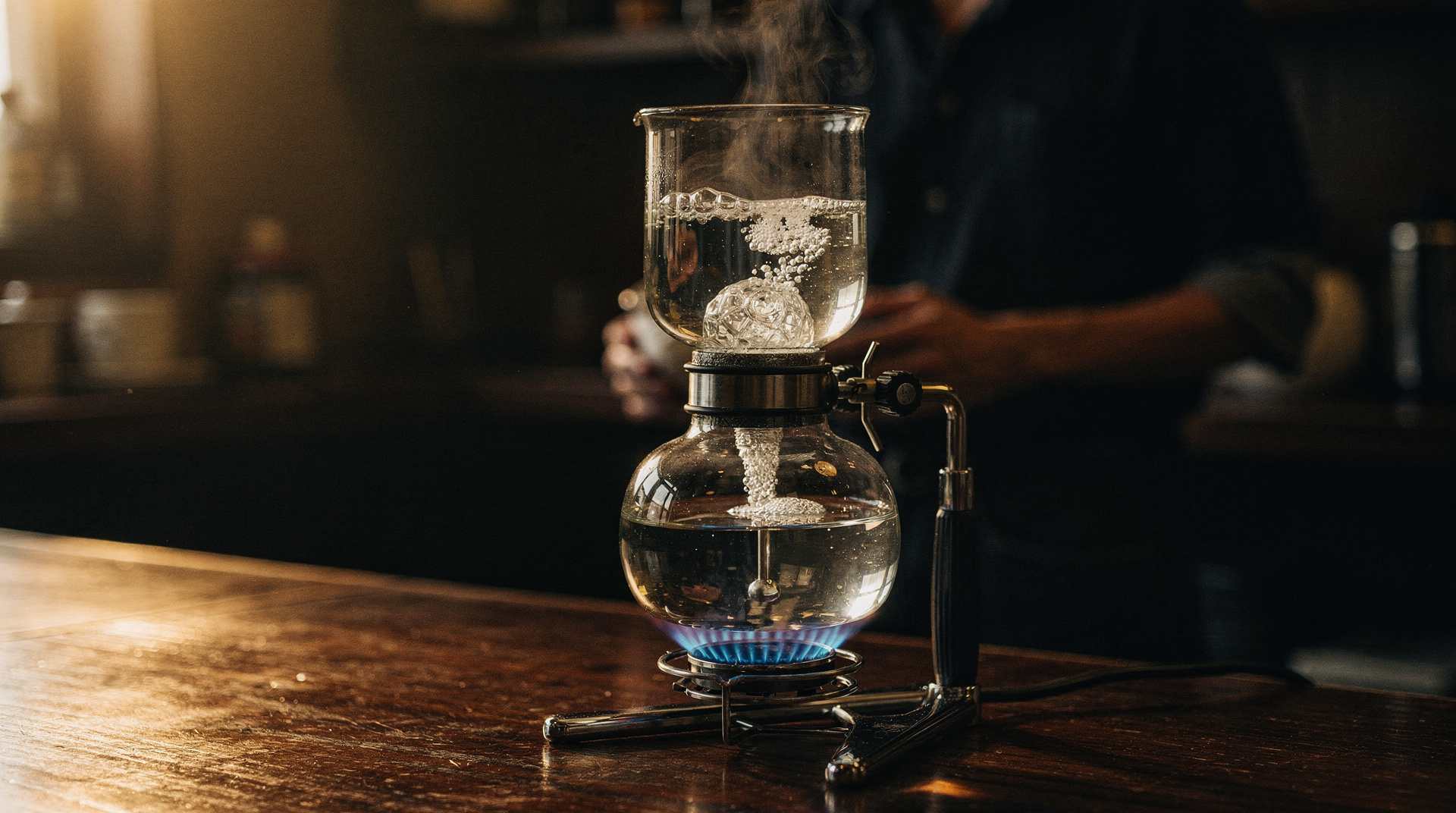
Kissaten
Japan · 30–90 min
The master has been doing this for forty years. The siphon rises. The bamboo paddle stirs three times. Classical music plays. Nobody speaks loudly. This is not a coffee shop, it is a temple of craft, silence, and devotion. Japan didn't invent siphon coffee, but they perfected it.
Siphon brewer, alcohol lamp, bamboo paddle, nel drip cloth filter
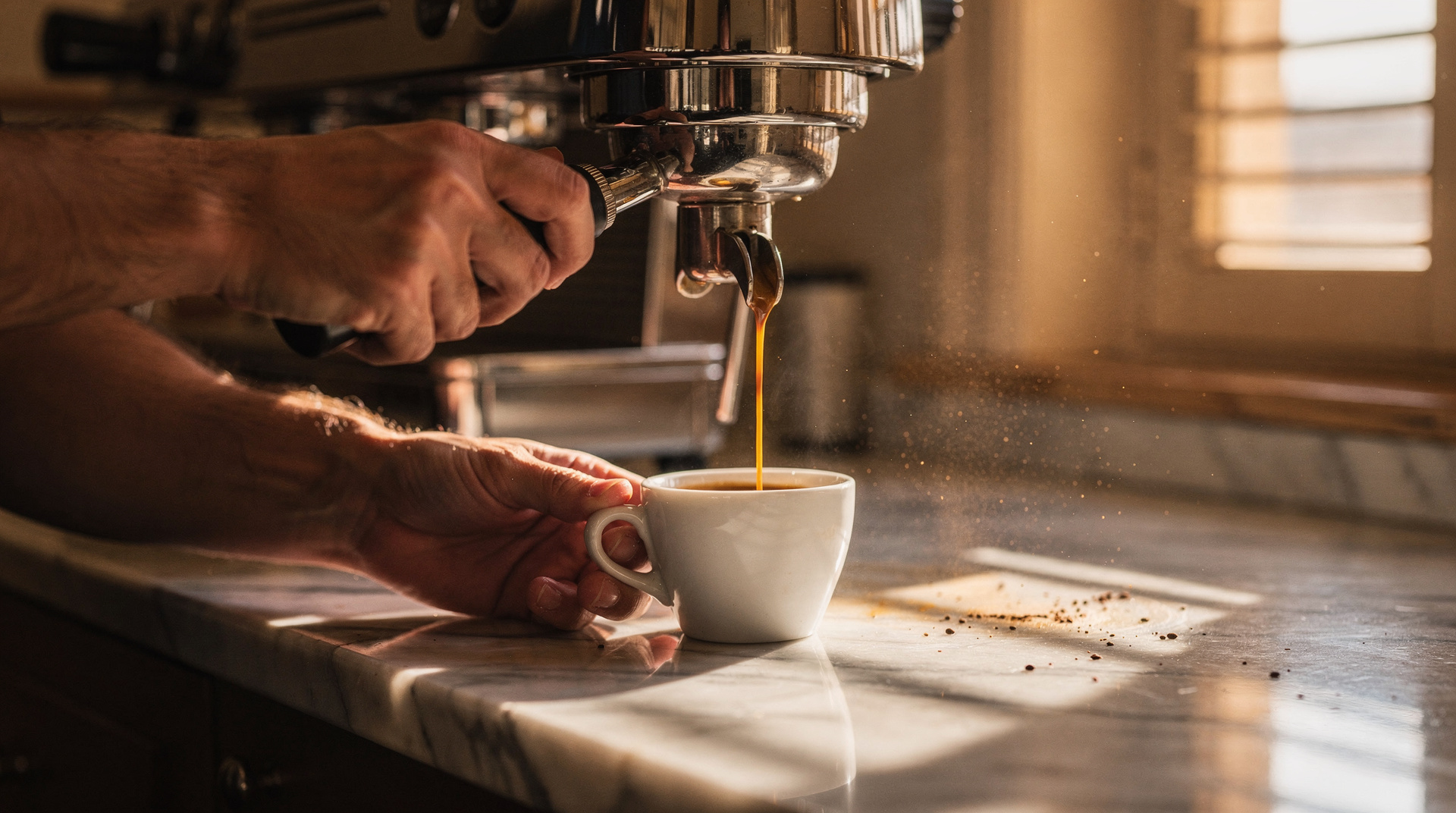
Caffè al Bar
UNESCOItaly · 2–5 min
Pay at the cassa. Take your receipt to the barista. A single shot in a pre-heated cup. Two sips standing at the counter. Leave. Total time: three minutes. Cappuccino after 11am marks you as a tourist. The moka pot at home is a morning sacrament. UNESCO since 2022.
Commercial espresso machine, demitasse cup, moka pot (home)
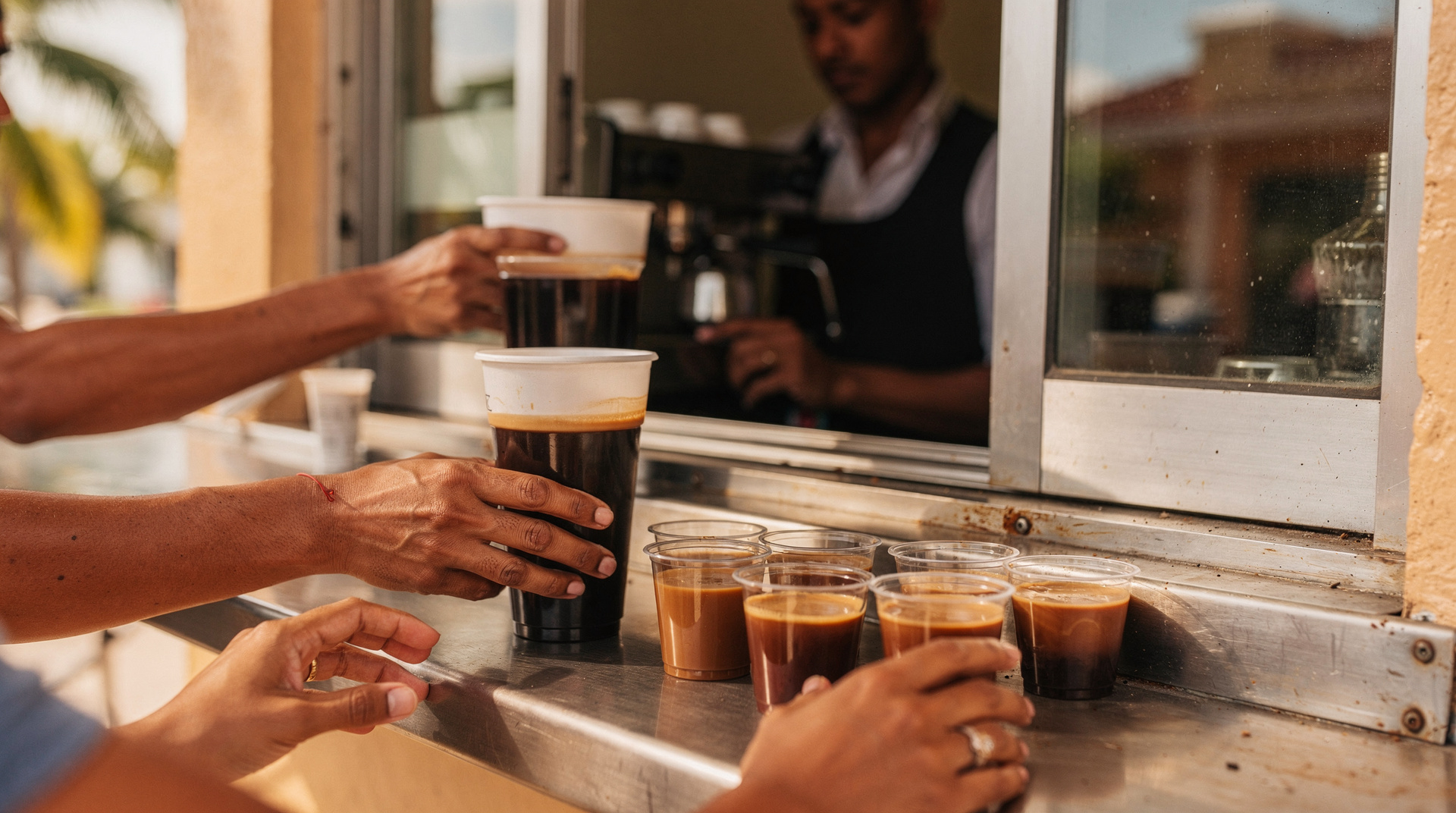
Colada
Cuba & Miami · 5–15 min
The first drops of espresso are whipped with sugar into a thick, pale espumita. The rest of the coffee is poured over it. A colada is poured into small plastic cups and passed around, to coworkers, neighbors, strangers at the ventanita window. Refusing a share is nearly rude.
Moka pot (cafetera), metal pitcher, tacitas (small cups)
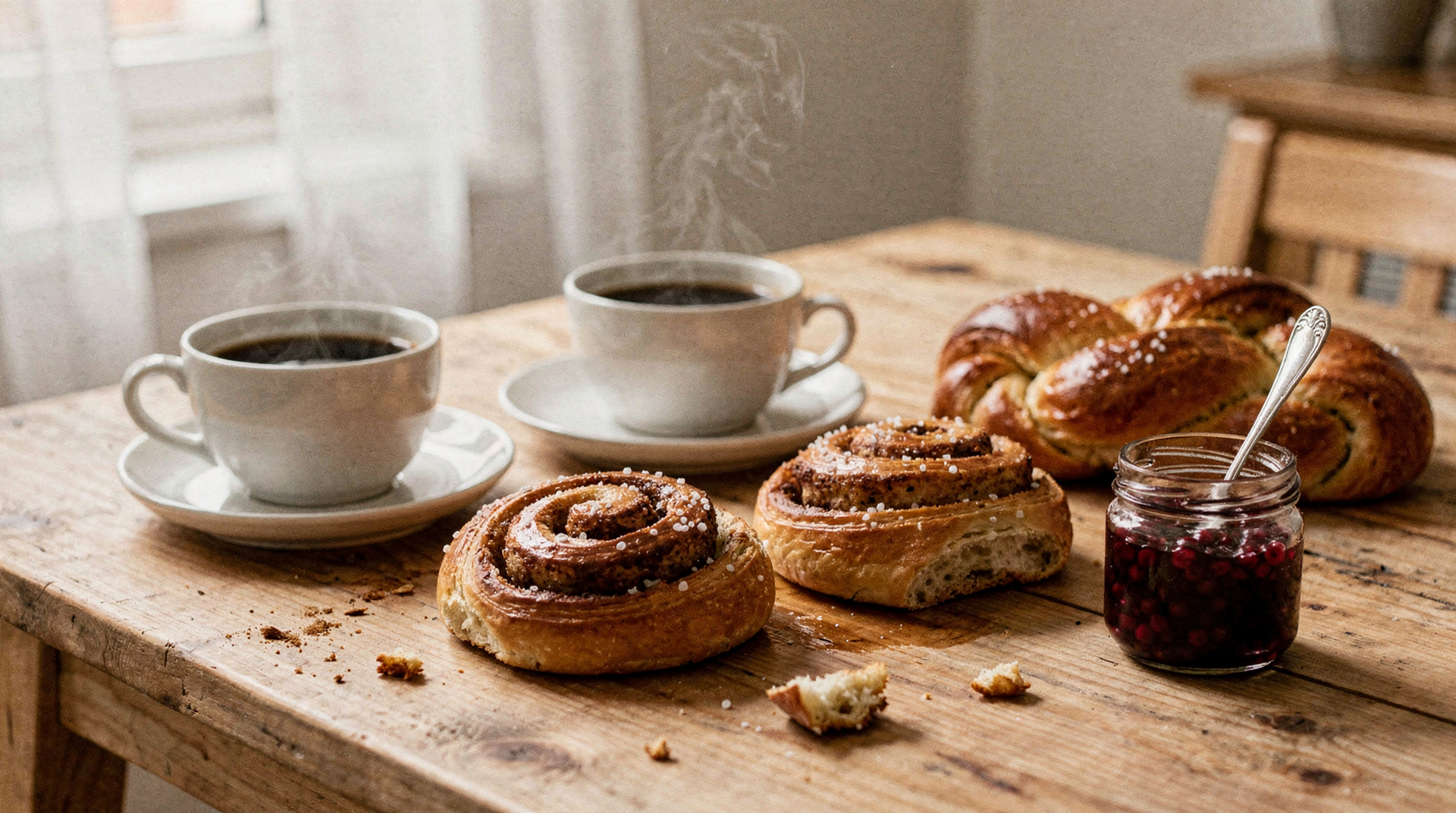
Fika
Sweden · 15–30 min
Fika is both a noun and a verb. It is a scheduled, expected break, 10am and 3pm. CEOs and interns sit together. You bring something sweet. You talk. You slow down. Skipping fika is socially suspect. Sweden drinks more coffee per capita than almost anywhere on Earth.
Drip brewer, ceramic cups, kanelbullar (cinnamon buns)
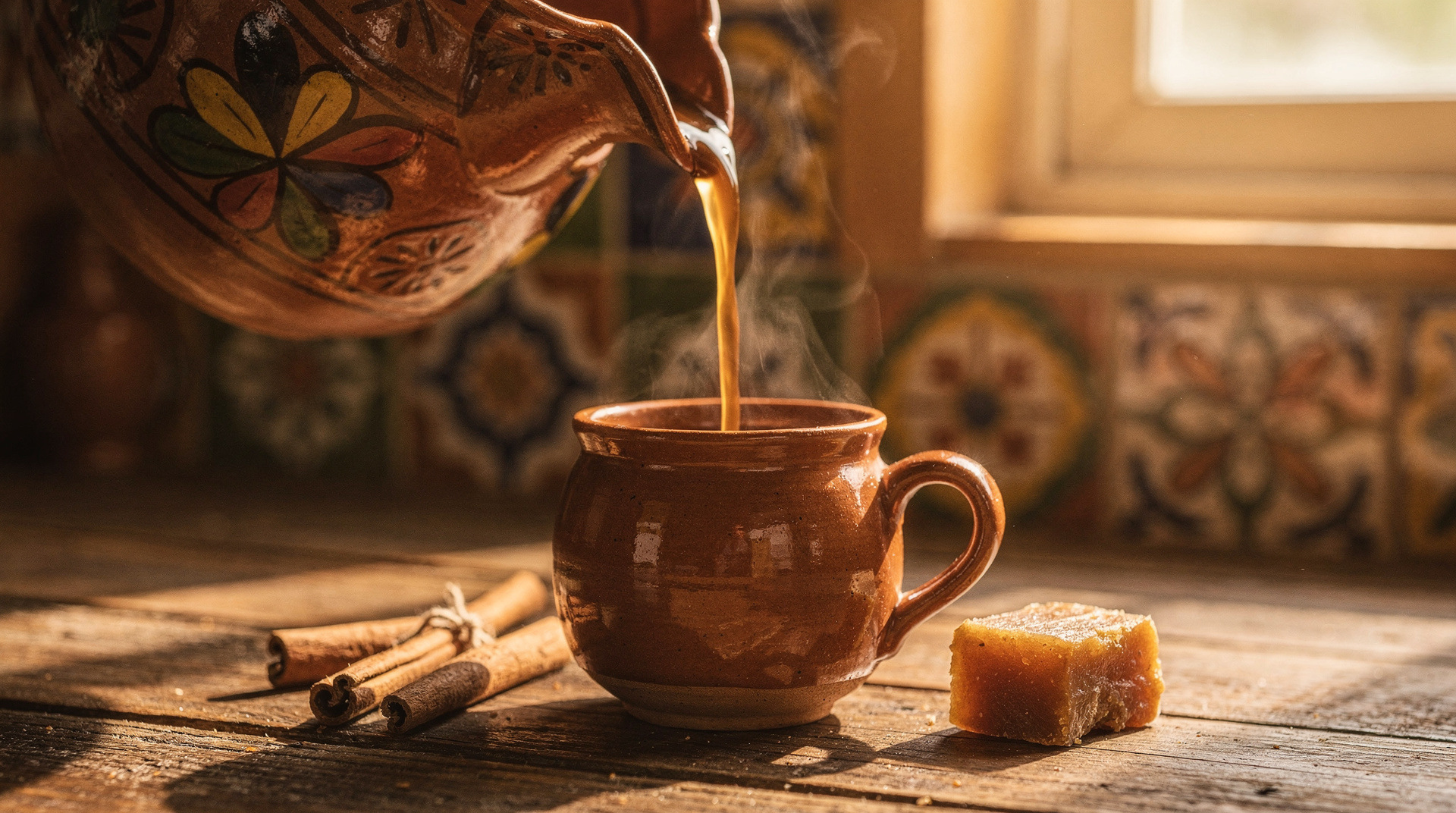
Café de Olla
Mexico · 15–20 min
Coffee simmered in an unglazed clay pot with piloncillo and cinnamon. The clay is not optional, it imparts an earthy flavor you can't replicate in metal. This is the coffee of grandmothers, of Day of the Dead ofrendas, of cold mornings in Oaxaca. Pre-colonial pottery meets colonial coffee.
Olla de barro (clay pot), piloncillo (cane sugar cones), canela (cinnamon)
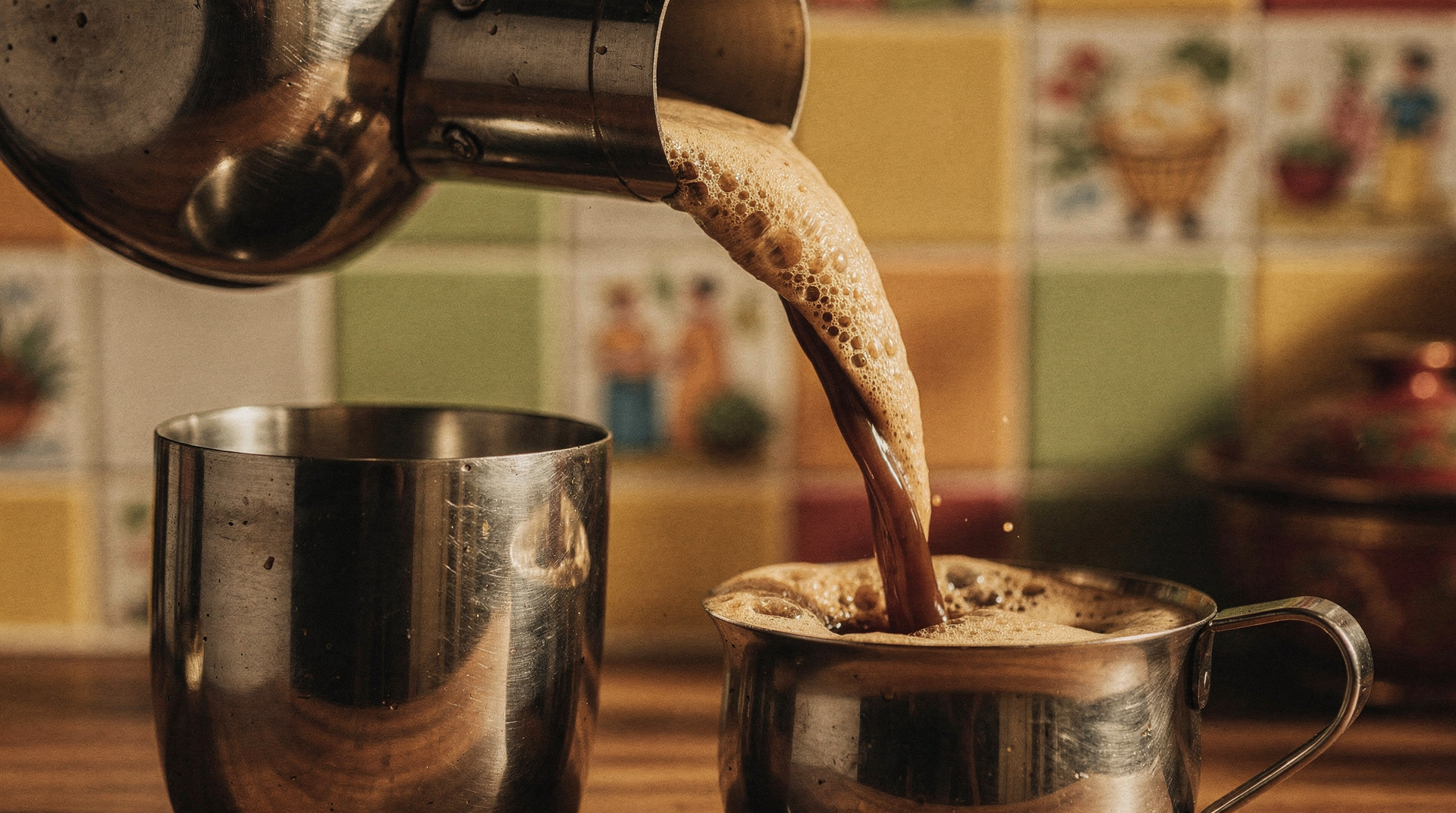
Filter Kaapi
South India · 15–30 min
Dark-roasted coffee with chicory drips through a steel filter for thirty minutes. The decoction is mixed with boiled milk and sugar, then pulled, poured back and forth between davara and tumbler from increasing heights. The aeration creates froth. The theater creates joy. This is South Indian identity.
Indian filter (steel percolator), davara (bowl), tumbler, chicory
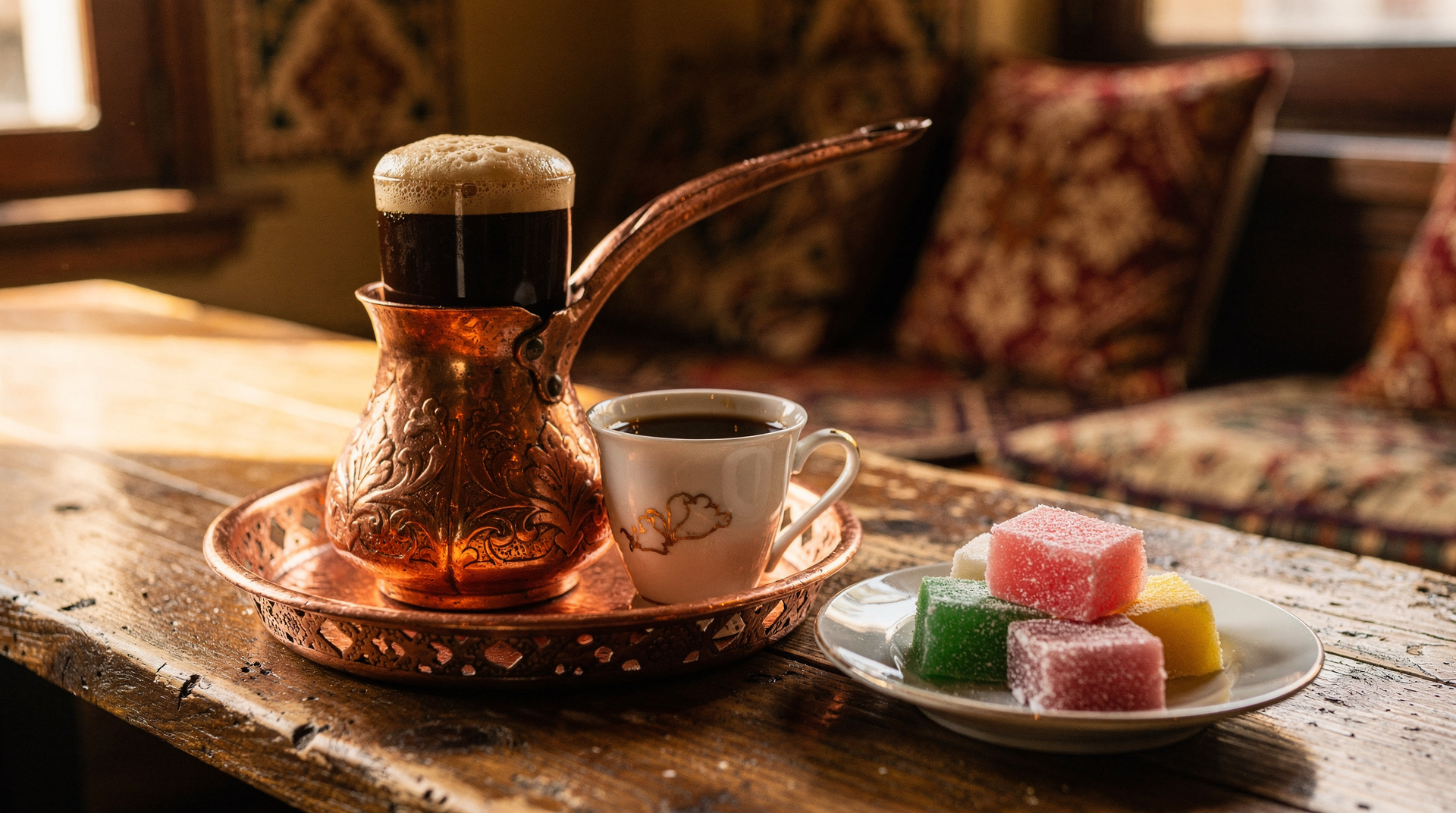
Bosanska Kafa
Bosnia & Herzegovina · 30–60 min
Coffee added to boiling water, not cold. Foam rises. Sugar cubes are not stirred in, you bite a moistened corner and sip through it. The full copper set is household pride, often a wedding gift. This survived Ottoman rule, Austro-Hungarian rule, communism, and war. It is Bosnia.
Džezva (copper pot), fildžan (cups), copper tray (sinija), sugar cubes
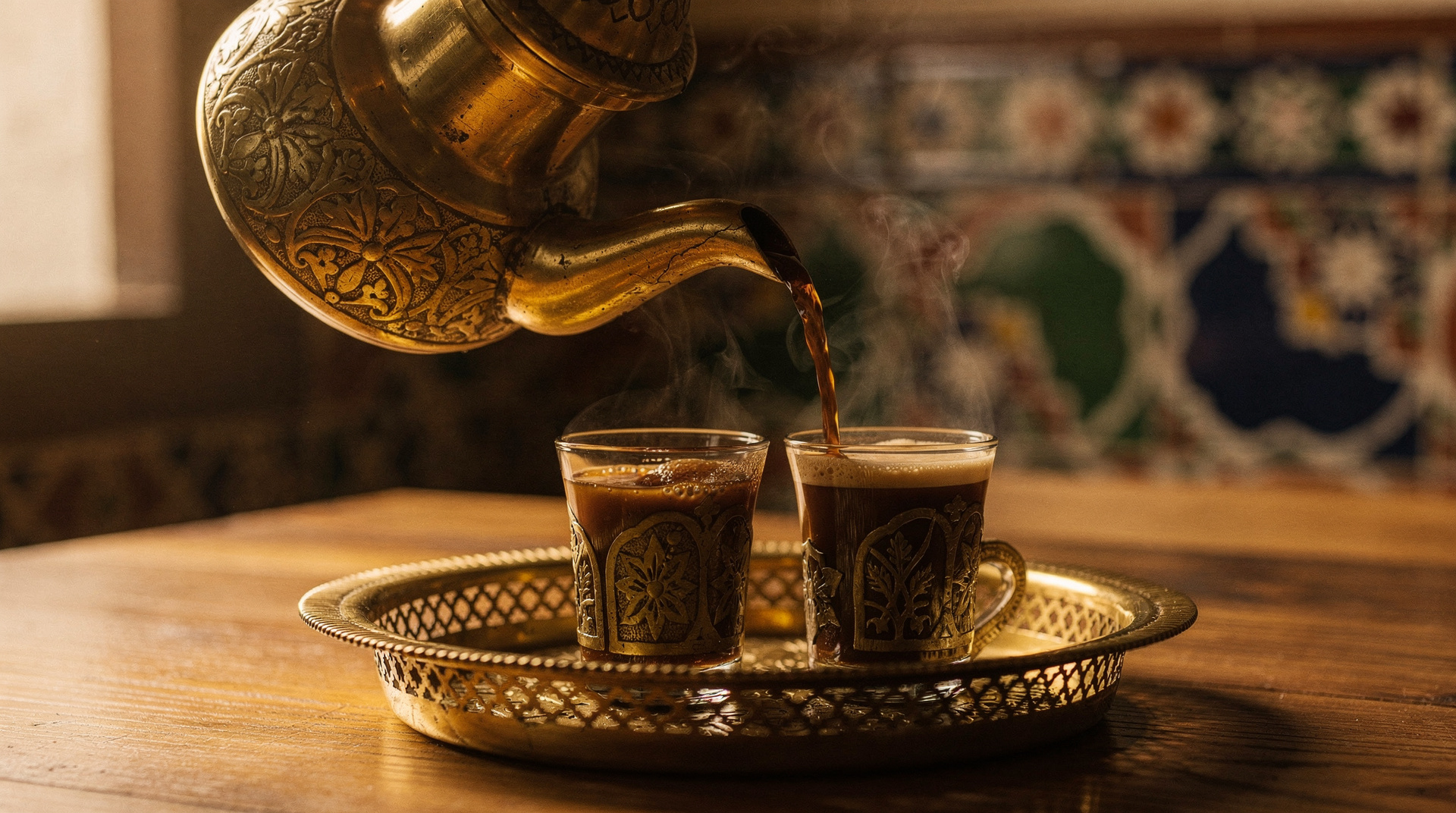
Nous Nous
Morocco · 15–30 min
Half espresso, half steamed milk, served in a small glass. The name means "half half." Spiced coffee adds cardamom, cinnamon, ginger, nutmeg. Morocco is a tea culture, mint tea is king, so coffee occupies a specific, modern, urban niche. The café terrace is a male institution, slowly changing.
Espresso machine, glass tumblers, spice blend
Café Touba
Senegal · 10–15 min
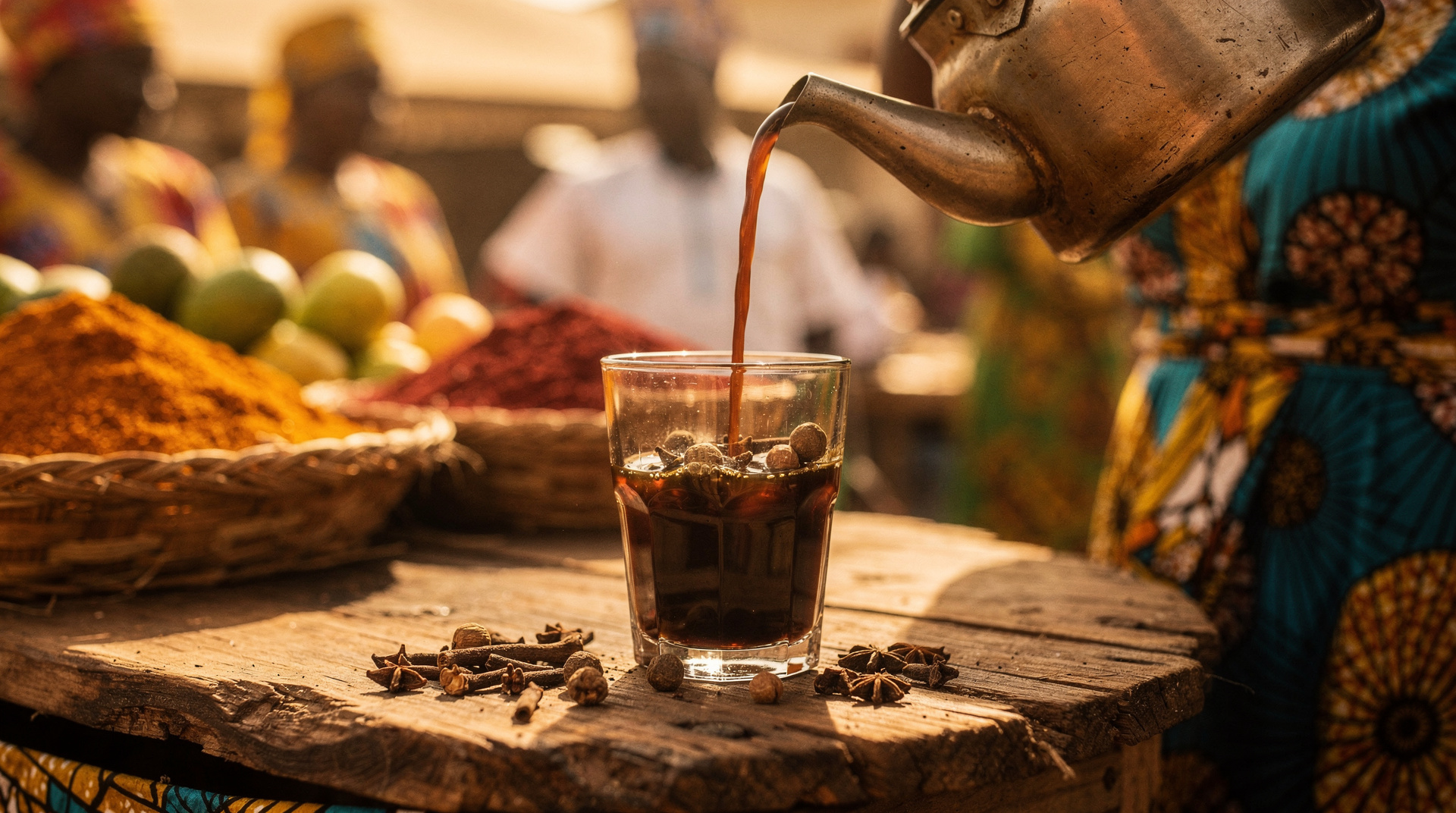
Beans roasted with Selim pepper and cloves, then brewed and sweetened heavily. Named after the holy city of Touba, attributed to Cheikh Amadou Bamba. It started as a Mouride religious drink and became Senegal's national coffee. The tangana street stalls serve it everywhere.
Roasting pan, cloth filter, djar (Selim pepper)
Cafezinho
Brazil · 5–10 min
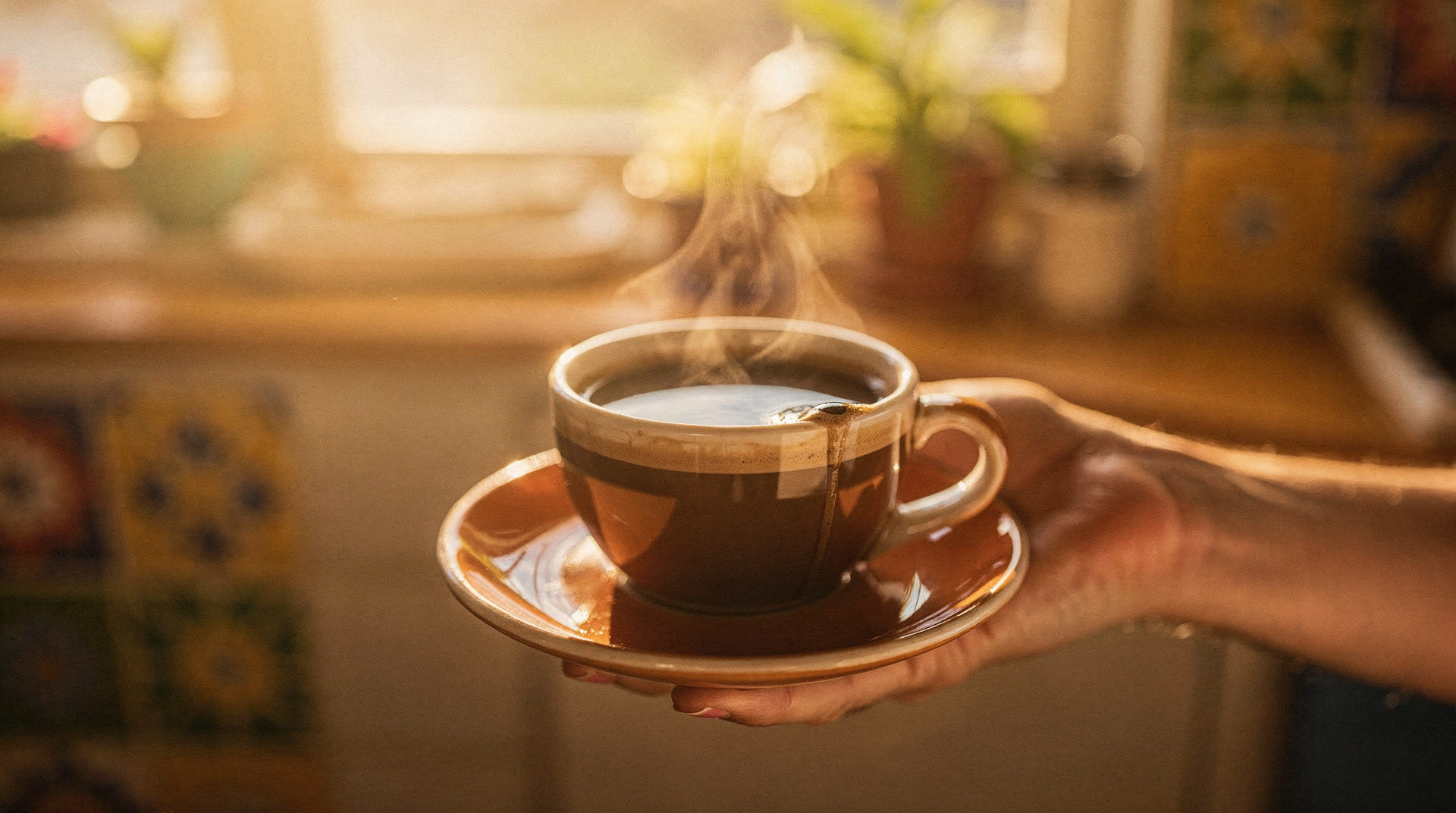
Sugar is boiled into the water before the coffee is added, never after. Strained through a cloth sock. Served in a tiny cup to everyone who enters: visitors, deliverymen, strangers. Refusing is nearly unheard of. Brazil grows more coffee than anyone and drinks it with radical hospitality.
Stovetop pot, coador de pano (cloth filter sock), small cups
Kaffeost
Finland · 10 min
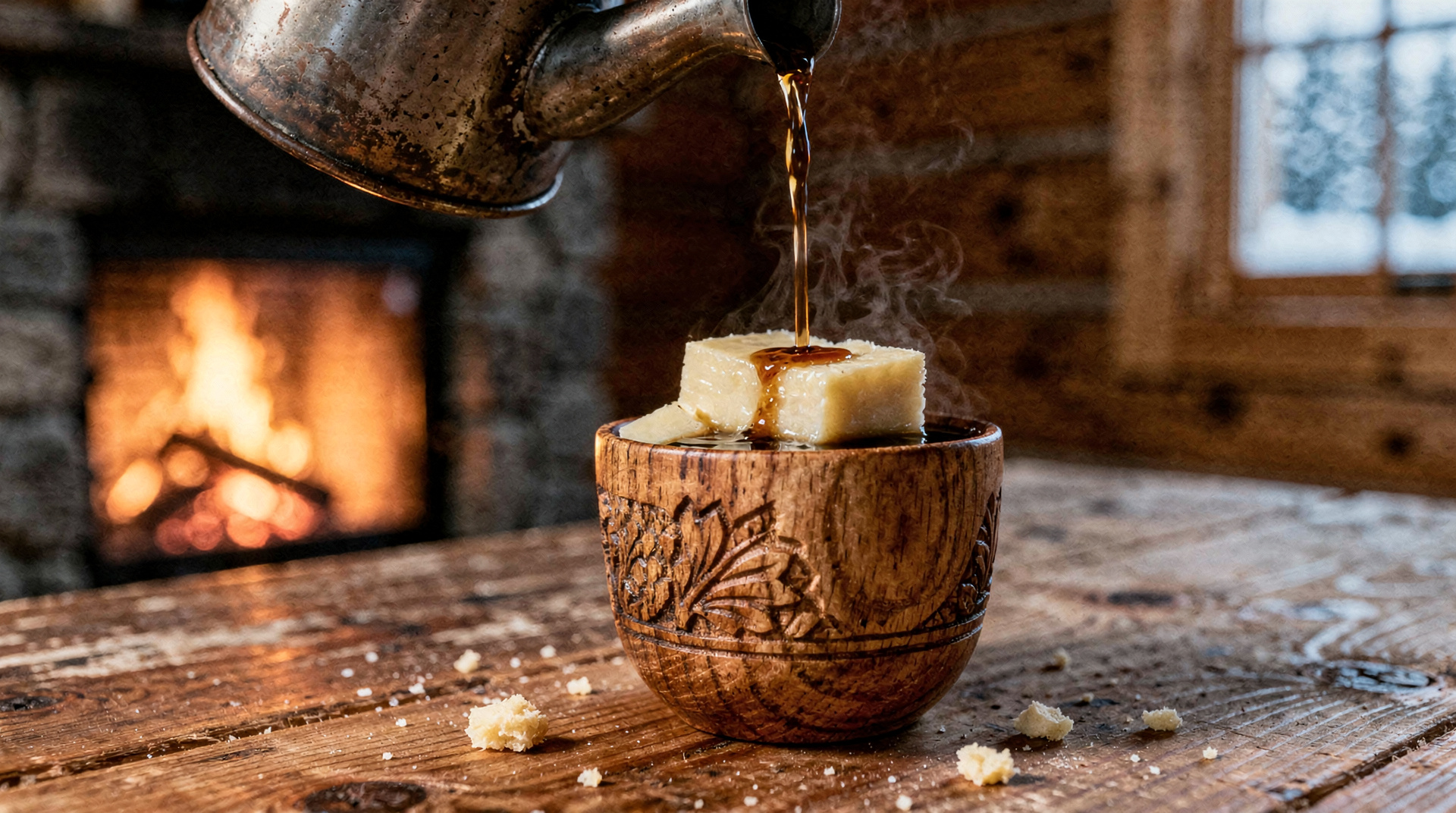
Cubes of squeaky bread cheese placed in a wooden cup. Hot strong coffee poured over. The cheese softens but doesn't melt, it absorbs the coffee. You drink, then eat the coffee-soaked cheese with a spoon. Finland drinks more coffee per capita than any nation on Earth. This is how they do it in the far north.
Kuksa (birch wood cup), leipäjuusto (bread cheese)
Tinto
Colombia · 5 min
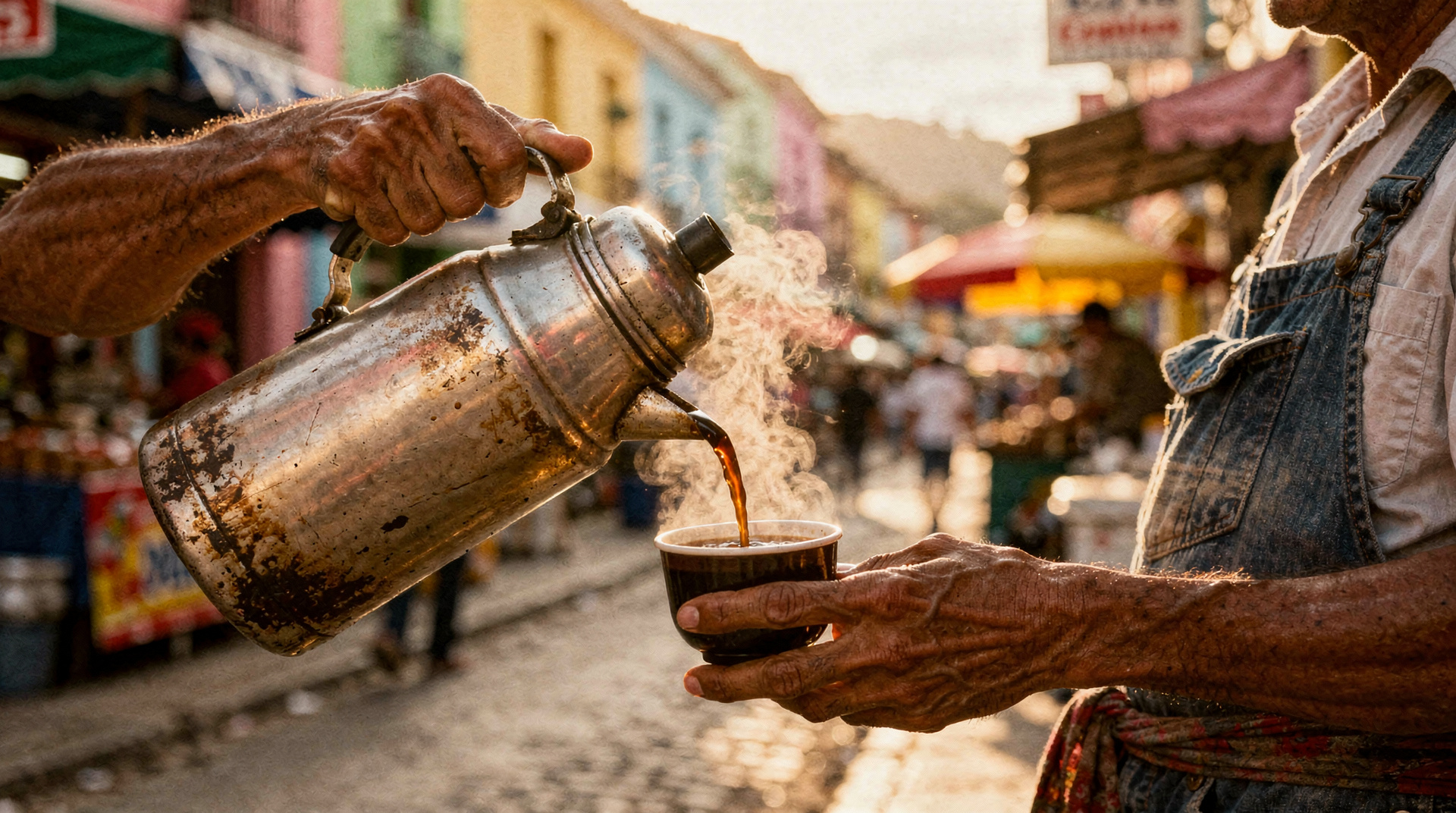
Brewed in a large pot with panela (cane sugar), sold from thermoses by tinteros on every street corner. Sweet, strong, cheap. Colombia produces some of the world's finest beans, and exports most of them. Tinto is what Colombia actually drinks. It is offered at every human interaction.
Large pot, cloth strainer, thermos, small cups, panela
One plant. Infinite ritual.
Coffee crossed oceans, climbed mountains, survived empires. Everywhere it landed, people made it their own.
Explore Our Origins